All projects

Mobile App Prototype

Eco-Scan

Mobile Waste Identification & Sorting Prototype

My Role

UX/UI Designer

Project Duration

4-Week Sprint

Tools: Adobe Illustrator, Photoshop, and Figma
  • User Flow
  • Empathy Mapping
  • Wireframing
  • Interactive UI Prototype
Jump to Prototype
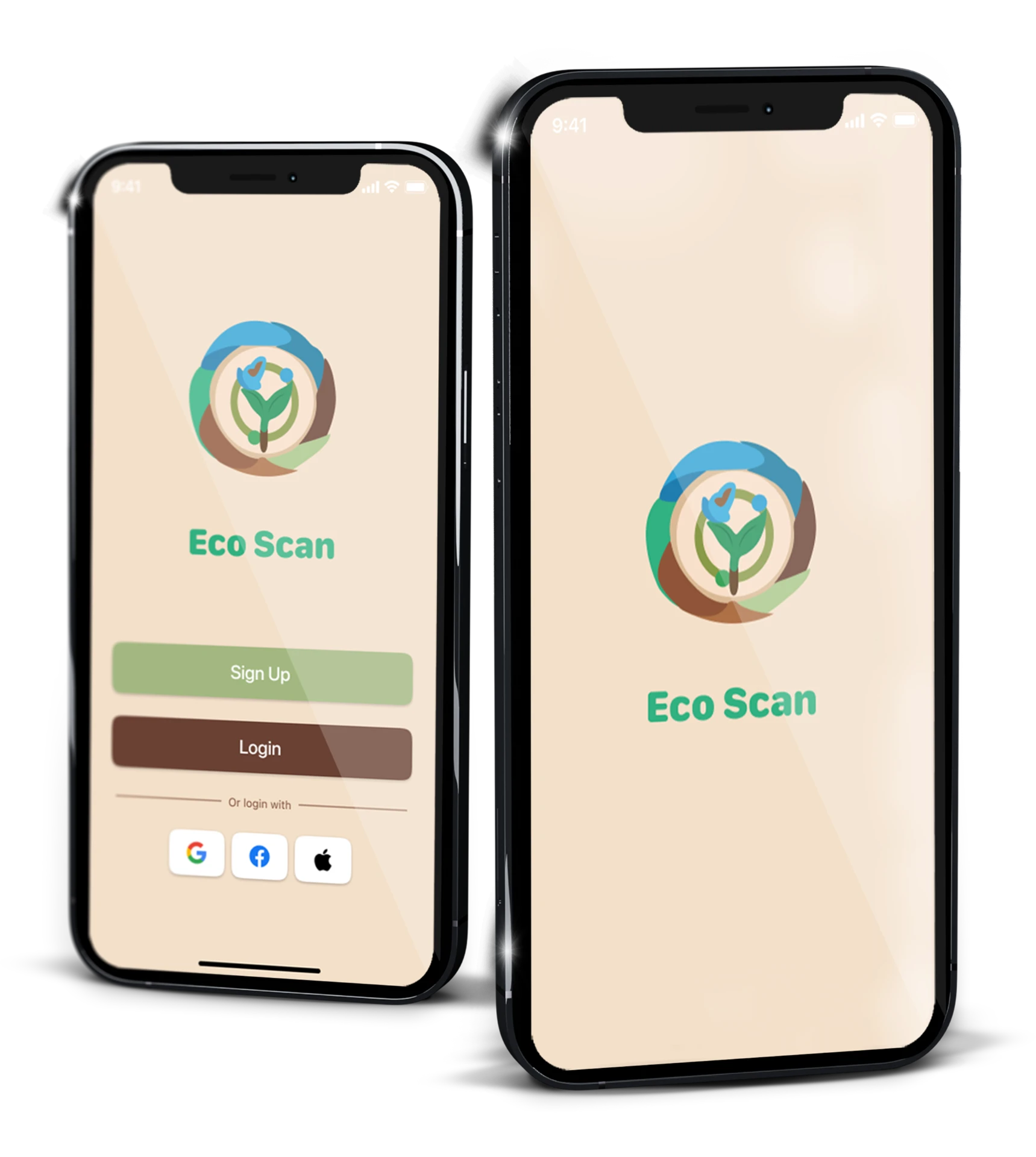
Two phones showing the Eco Scan sign-up and splash screens

Project Overview

Eco-Scan is a mobile utility prototype designed to bridge the everyday knowledge gap in recycling and composting. While consumers increasingly care about sustainability, confusing labels and complex rules lead to decision fatigue. Grounded in direct user survey data, Eco-Scan tackles this problem by combining instant photo-based identification, direct disposal steps, and community-driven rewards to make eco-friendly sorting simple and consistent.

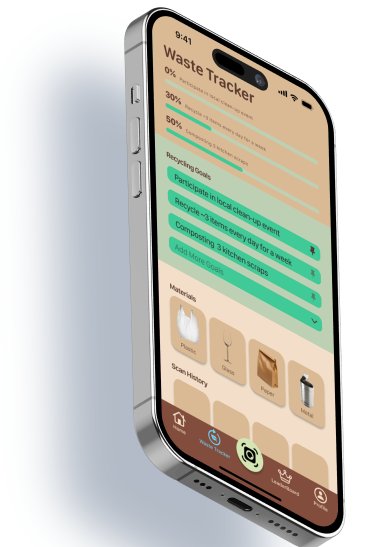
Phone showing the Eco Scan Waste Tracker screen

Problem Statement

Consumers face persistent decision fatigue and confusion at the waste bin, often defaulting to regular trash or guessing due to complicated guidelines. Without a friction-less way to verify items on the spot, well-intentioned users abandon composting and make sorting errors that lead to preventable batch contamination.

Target Audience

  • Everyday Consumers & Students: Individuals wanting to sort waste properly but overwhelmed by confusing packaging labels and unclear composting rules.
  • Busy Commuters: People in fast-paced public spaces needing an instant, 2-second decision to avoid defaulting to regular trash.
  • Habit Builders: Users motivated by visual streaks, community leaderboards, and redeemable eco-rewards.
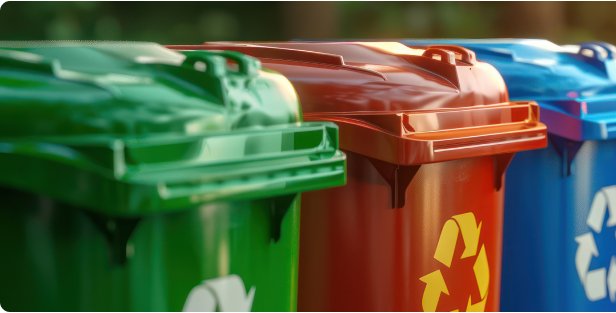
Green, red, and blue recycling bins

The Solution

  • Photo-Based Scanner: Point-and-shoot camera identification that recognizes items instantly, removing the friction of manual search.
  • Color-Coded Disposal Cards: High-contrast, modular instruction cards explicitly directing items into Recycle, Compost, or Trash.
  • Habit Tracker & Leaderboard: A personal progress dashboard featuring milestones, community rankings, and redeemable rewards to incentivize long-term participation.

Design Thinking Process

A four-stage user-centered framework translating survey research into an interactive mobile prototype, focused on reducing friction and building daily sorting habits.

  1. Empathize

    • Field Observations
    • User Surveys
    • Empathy Mapping
  2. Define

    • Synthesis
    • Core Strategy
  3. Ideate

    • Sketches
    • Lofi Wireframing
    • Information Architecture
  4. Design

    • Hi-Fi Screens
    • Interactive Prototype

Empathize Phase

Empathy Map:

Thinks

  • Confused about what actually qualifies for recycling vs. composting.
  • Overwhelmed by unclear rules, yet comfortable when given direct guidance.

Says

  • "I honestly have no idea what goes where."
  • "It is too inconvenient to look up every single item."
  • "I don't care to use a compost bin if it's too complicated."

Does

  • Rarely or only occasionally uses a compost bin.
  • Occasionally purchases compostable products, but defaults to regular trash when unsure.

Feels

  • Occasional guilt about throwing compostables into landfill bins.
  • Frustrated by confusing labeling, but motivated to learn when the process is made simple.
Users

Field Observations: Observed everyday waste disposal habits at public and campus sorting stations, noting where users hesitated or tossed items into the wrong bin.

User Surveys: Gathered baseline insights on recycling awareness, common sorting confusion, and what prevents people from composting consistently.

Key Takeaway:

Most sorting mistakes aren't due to apathy—users want to sort properly, but ambiguous packaging labels force them to guess under time pressure.

How Might We

How might we help people confidently sort waste in seconds, without confusing labels or complicated rules, while building lasting sustainable habits?

Define Phase

The 3 Core Findings:

Ambiguous Packaging Rules:

Mixed-material containers (like lined coffee cups and takeout boxes) create immediate confusion about what qualifies as compostable versus recyclable.

Decision Fatigue at the Bin:

Standing in front of multi-stream bins triggers friction; when rules aren't obvious within seconds, users default to the landfill bin to avoid contaminating recycling.

Need for Instant Verification:

Users need a fast, low-effort way to identify an item's material and match it to local disposal rules on the spot.

Ideate Phase

Sketches

Tap diagram to zoom

Exploration Focus Areas

Camera-First Scanning:

Prioritizing an immediate viewfinder launch so users can scan packaging without digging through menus.

Clear Bin Feedback:

Designing unmistakable visual results (color-coded bin badges: Compost, Recycle, Landfill) readable at a single glance.

Lo-Fi Wireframes

Tap diagram to zoom

Information Architecture (IA)

Tap diagram to zoom

Design Phase

Tap diagram to zoom

Test Interactive Prototype

Try clicking through the core user flow above

Open Prototype in Full Screen ↗
Tap diagram to zoom
Tap diagram to zoom
Tap diagram to zoom
Tap diagram to zoom
Tap diagram to zoom